Understanding Loan Payoff Strategies
A Loan Payoff Calculator is a powerful tool designed to help you visualize and plan your debt repayment journey. By inputting your loan's principal amount, interest rate, and original term, you can accurately estimate your monthly payments and total interest costs. More importantly, this calculator allows you to experiment with additional payments, demonstrating how even small extra contributions can significantly reduce your payoff time and save you a substantial amount in interest.
Efficiently paying off your loans is a cornerstone of sound financial health. It frees up your monthly cash flow, reduces your overall financial burden, and can improve your credit score. This calculator serves as a critical first step in taking control of your debt, providing the clarity needed to make informed financial decisions.
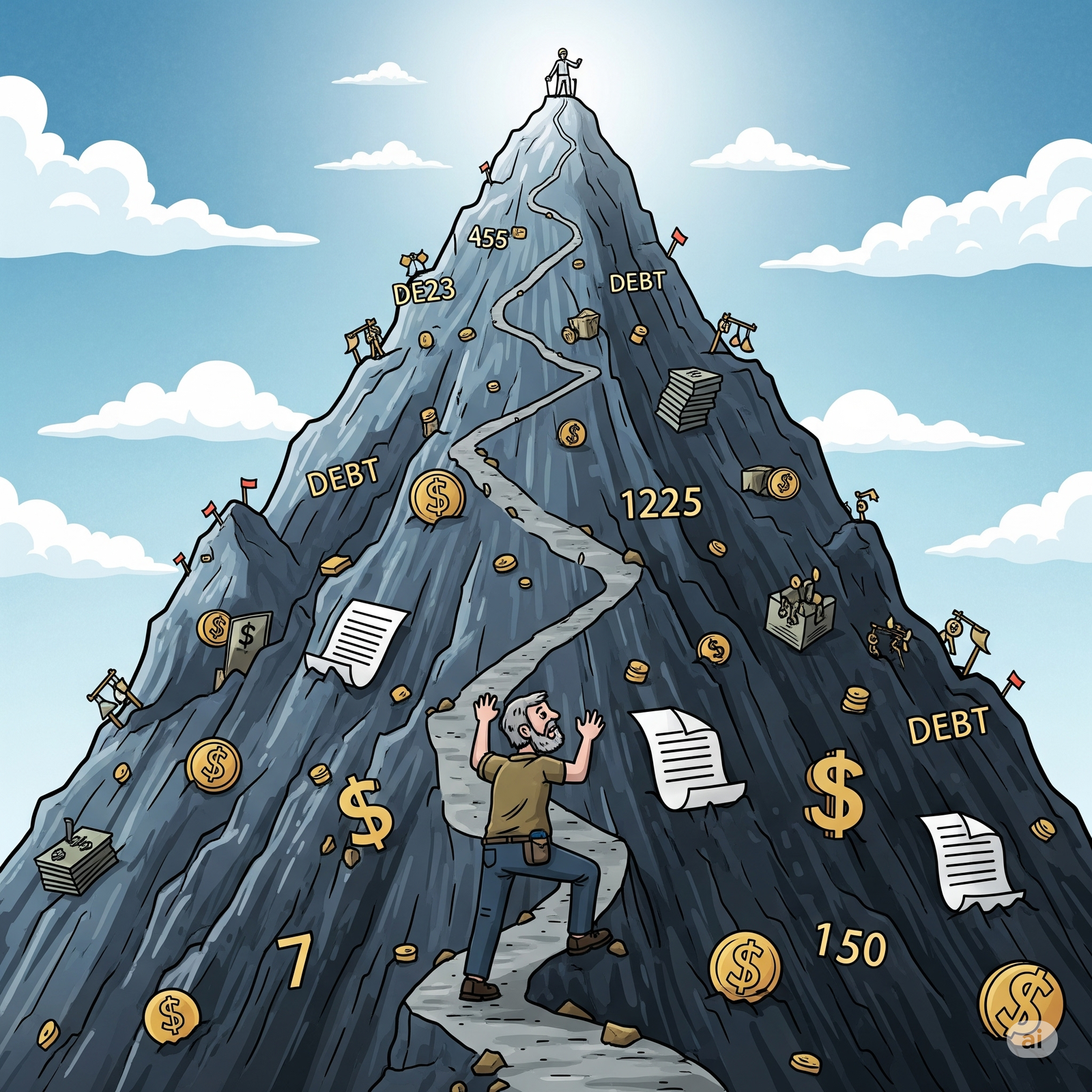 Image: An illustration showing the path to freedom from debt.
How Does Early Loan Payoff Work?
When you make regular loan payments, a portion goes towards the interest accrued, and the remainder reduces your principal balance. In the early stages of a loan, a larger portion of your payment often goes towards interest. By making extra payments, you directly reduce the principal. This means less interest accrues on the smaller principal balance in subsequent periods, leading to a faster payoff and significant savings.
- Reduce Total Interest Paid: This is the most significant benefit. By shortening the loan term, you pay interest for fewer years.
- Achieve Financial Freedom Faster: Being debt-free provides immense peace of mind and frees up funds for other financial goals like saving for retirement or making new investments.
- Improve Debt-to-Income Ratio: A lower debt burden looks favorable to lenders, potentially making it easier to secure future loans or better interest rates.
- Boost Your Credit Score: Successfully paying off loans demonstrates responsible financial behavior and can positively impact your credit history.
Strategies to Accelerate Your Loan Payoff
There are several effective strategies you can employ to pay off your loans more quickly:
- Make Extra Principal Payments: Even small, consistent extra payments can have a huge impact. Designate any extra income, bonuses, or tax refunds specifically for principal reduction.
- Bi-Weekly Payments: Instead of one monthly payment, pay half of your monthly payment every two weeks. This results in 26 half-payments, or 13 full monthly payments, per year, effectively adding one extra payment annually.
- Debt Snowball Method: Focus on paying off your smallest debt first while making minimum payments on others. Once the smallest is paid, apply that payment amount to the next smallest debt. This method provides psychological wins.
- Debt Avalanche Method: Prioritize paying off the debt with the highest interest rate first. This method saves you the most money in interest over time, though it may take longer to see the first debt paid off.
- Refinance at a Lower Interest Rate: If your credit score has improved or interest rates have dropped, refinancing could lower your monthly payments and/or total interest paid, allowing you to direct more towards principal.
- Avoid New Debt: While focusing on payoff, resist the temptation to take on new loans or increase credit card balances.
Common Loan Types for Payoff Calculation
This calculator is versatile and can be used for various types of amortized loans:
- Mortgages: One of the largest debts for many, even small extra payments can save tens of thousands in interest over decades.
- Auto Loans: Accelerating payment on car loans frees up a significant portion of your monthly budget relatively quickly.
- Student Loans: Tackling student debt early can have a profound impact on your financial future.
- Personal Loans: Often used for consolidation or specific expenses, early payoff reduces interest costs on these typically shorter-term loans.
No matter the type of loan, understanding the impact of extra payments is key to smart financial planning. Use this Loan Payoff Calculator to visualize your path to becoming debt-free and start saving money today.